









Interviews
How to Answer “Why Were You Fired?” Honestly and Concisely
Explain a termination without evasion, blaming, or oversharing by stating the reason accurately, taking appropriate responsibility, and showing evidence of change.
Interview Pilot Editorial Team
3 min read
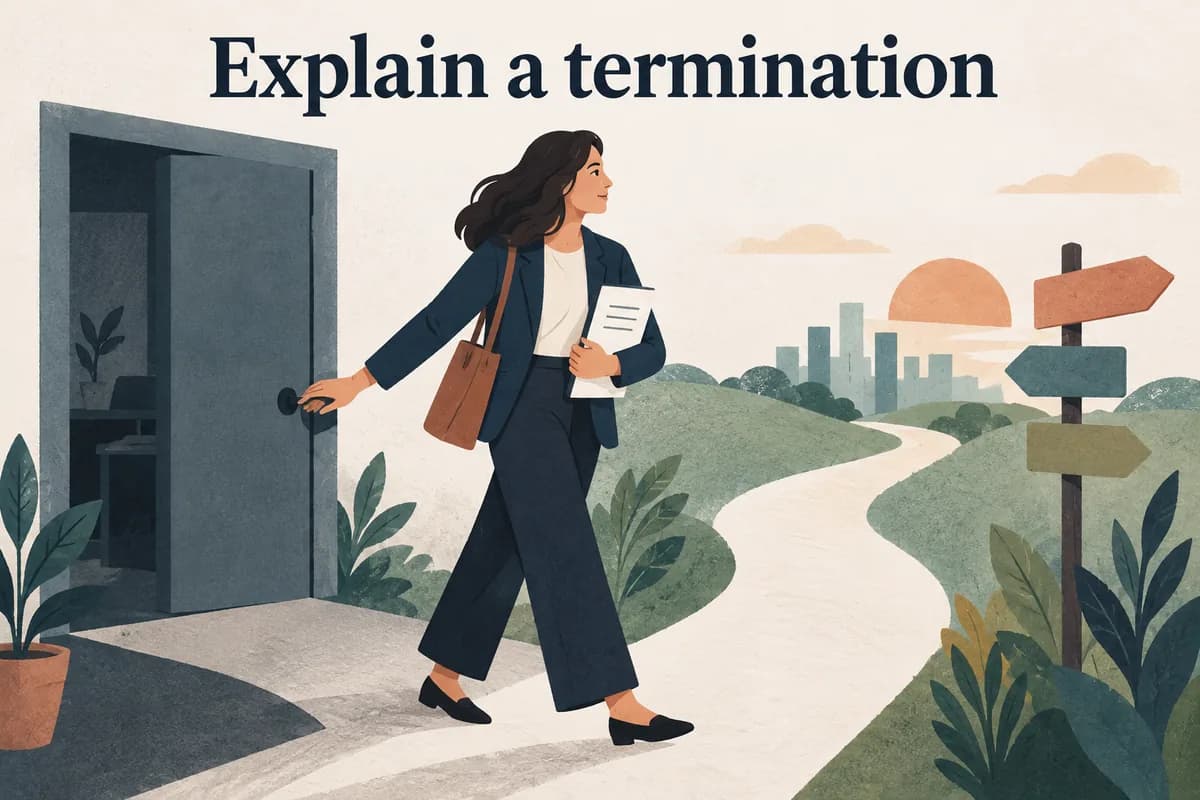
State what happened accurately, take responsibility for what was yours, and explain the concrete change that followed. The goal is not to make the termination sound positive. It is to show that you can discuss a difficult event with judgment.
MIT Sloan's Career Development Office advises keeping an explanation brief and answering honestly when an application asks about termination. In an interview, clarity matters more than a long defense.
Build the answer from verified facts
Use the terminology in your records where possible. A layoff, role elimination, failed probation, performance dismissal, policy violation, and resignation are not interchangeable. If a dispute or agreement limits what you can say, do not speculate; state the boundary plainly and consider professional advice for your specific situation.
Avoid criticizing individuals. You can disagree with a decision without turning the answer into an argument about your former manager.
Use a three-part structure
- Fact: Give the direct reason in one or two sentences.
- Responsibility and context: Own your contribution without accepting claims that are untrue.
- Change: Describe a relevant behavior, system, or role choice you have made since.
Do not rush to the lesson before answering the question. “It was a blessing” can sound evasive if the listener still does not know why employment ended.
Examples for different situations
Performance:
“I was dismissed after missing the team's client-renewal target for two quarters. I was slow to surface risk in my accounts, and my recovery plan came too late. Since then, I have used weekly leading indicators and earlier manager reviews. In my next contract role, that made forecast gaps visible before the final month.”
Role fit:
“The position changed toward high-volume outbound work, and I did not meet the required activity level. The termination was the company's decision. I learned that I perform better in a smaller portfolio role centered on technical discovery, which is why I am evaluating this position carefully.”
Disputed situation:
“My employment ended after a disagreement about the handling of a client issue. I do not agree with every characterization, and I will not disclose confidential details. I can explain the documented process I now use to escalate similar concerns.”
Prepare for follow-up questions
Expect questions about feedback, timing, and what you would do differently. Keep answers consistent with applications and references. If the departure was not a firing, use the more accurate leaving-your-last-job guidance.
Practice aloud, but do not memorize a dramatic apology. Like a failure answer, the strongest version is specific about behavior and restrained about claims.
Topics
interviews
termination
difficult questions
Continue reading

Interviews
How to Answer Inappropriate Interview Questions Without Losing Focus
Respond to an intrusive or potentially discriminatory interview question by clarifying relevance, redirecting to job evidence, or ending the conversation.
October 29, 2026
3 min read
Interviews
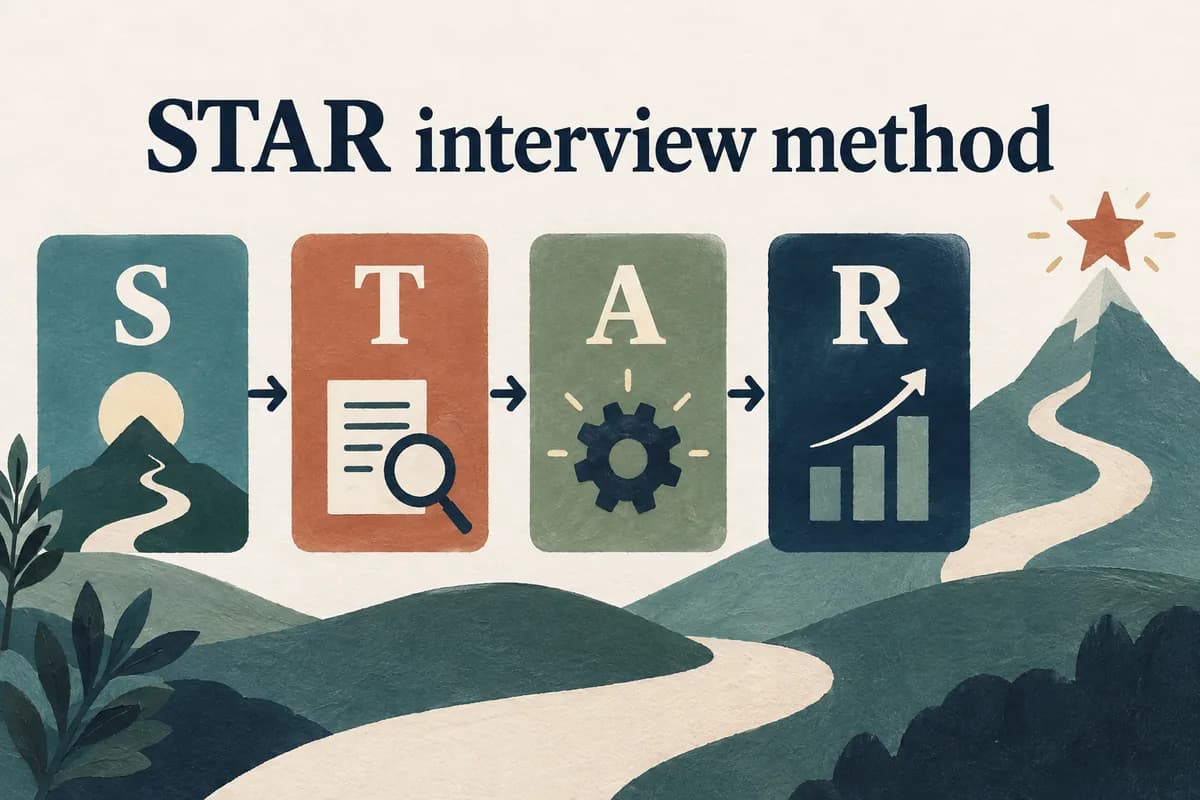
STAR Method for Interviews: Build Specific, Credible Answers
Use Situation, Task, Action, and Result to answer behavioral interview questions with clear ownership, evidence, and a concise story.
October 30, 2026
2 min read
Interviews
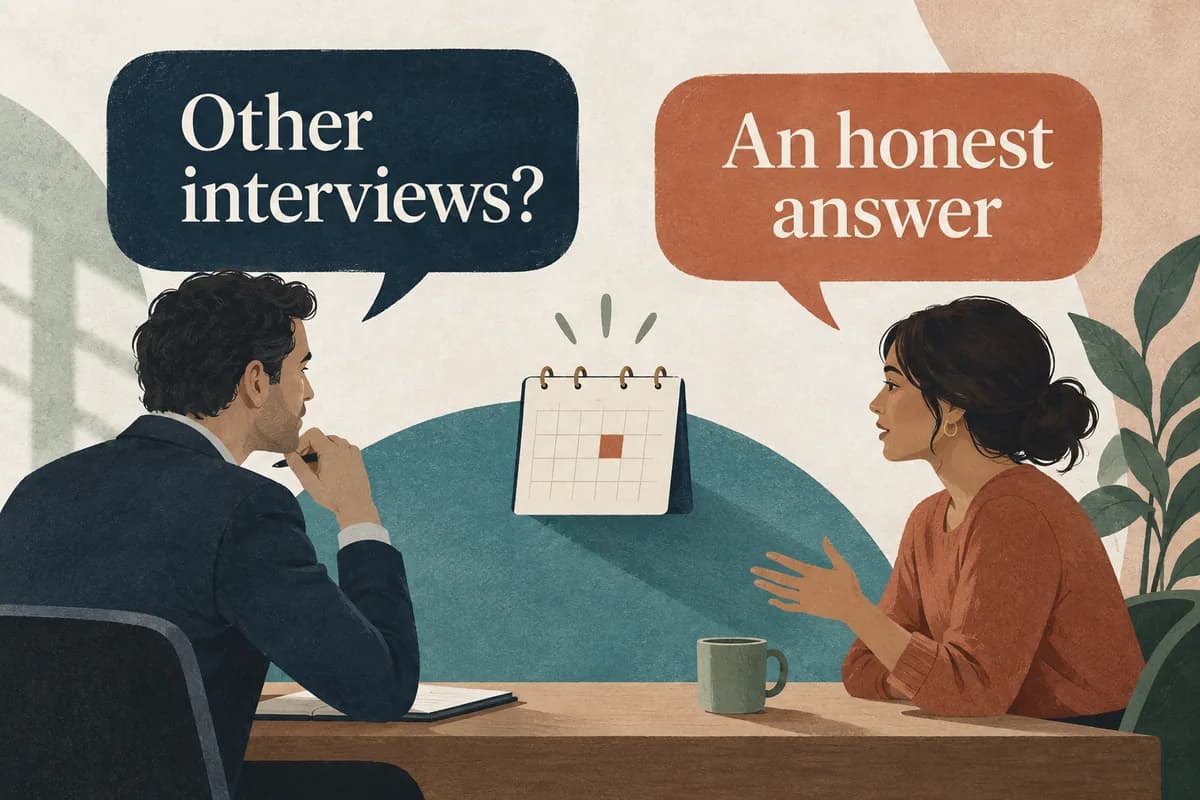
How to Answer "Are You Interviewing With Other Companies?"
Answer honestly without naming employers or inventing offers, with examples for early conversations, final rounds, and a real deadline.
October 29, 2026
3 min read