




What to Wear to a Job Interview: Dress Code Guide for Men and Women (2026)
Updated June 14, 2026
8 min read
Interview Pilot Editorial Team
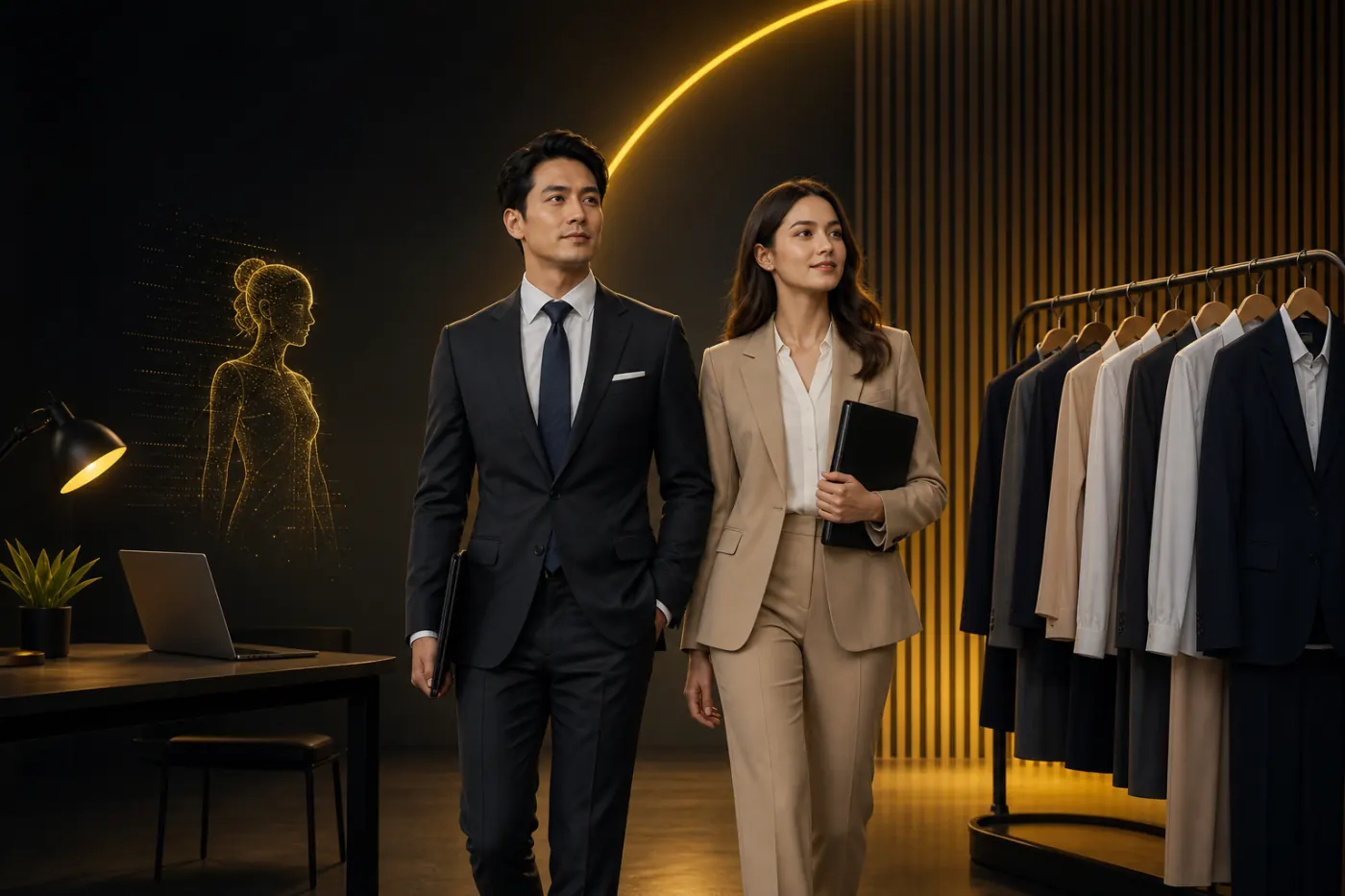
If you want the short answer: wear one step more polished than the company’s everyday dress code, keep the fit clean, and make sure your clothes are neat, comfortable, and distraction-free. For most interviews, that means a simple, well-fitting business casual outfit. For formal roles, choose a suit. For casual workplaces, avoid being too casual and still look intentionally professional.
Your outfit should help the interviewer focus on your answers, not your clothes. The best job interview outfit is the one that looks appropriate for the role, the company, and the interview format.
Quick answer: what to wear to a job interview
Use this simple rule:
- Formal or client-facing roles: suit, blazer, dress shirt or blouse, polished shoes
- Business casual interviews: blazer or structured top, dress pants or knee-length skirt, closed-toe shoes
- Creative or casual companies: smart, polished separates that still look intentional
- Virtual interviews: dress from the waist up as if the interview were in person, and choose clean, solid colors
- On-site interviews: dress for the company’s environment, but aim slightly more polished than the staff around you
If you are unsure, dressing a little more formal is usually safer than dressing too casually.
The basic rule: match the company, then step it up
The easiest way to choose what to wear to a job interview is to think in layers:
- What do employees wear day to day?
- What does the role expect?
- How visible will you be to clients, leaders, or teams?
- Is the interview in person, online, or on site?
A good interview dress code choice usually lands one level above the workplace norm. That means if the office is business casual, your interview outfit should look like elevated business casual. If the office is casual, you should still look crisp, structured, and deliberate.
A common mistake is to mirror the workplace too literally. If the team wears jeans, that does not mean your interview should. The interview is still a professional evaluation.
What to wear by interview type
In-person interview outfit
For an in-person interview, prioritize structure, fit, and comfort. You want to look polished from head to toe because the interviewer sees your whole outfit.
A strong in-person interview outfit includes:
- Clean, wrinkle-free clothing
- A blazer, jacket, or structured layer when appropriate
- Dress pants, tailored trousers, or a skirt of professional length
- A button-down shirt, blouse, knit top, or simple sweater
- Closed-toe shoes that are clean and comfortable to walk in
If you are traveling to the interview, choose shoes you can actually move in. Blisters, scuffed shoes, and clothing that needs constant adjustment are all distractions.
Virtual interview outfit
For a virtual interview, your clothes still matter. Even though the camera only shows part of you, polished clothing changes how you look on screen and how prepared you feel.
Best practices for a virtual interview outfit:
- Wear solid colors instead of busy patterns
- Avoid shiny fabrics that reflect light poorly
- Choose a top with structure around the neckline
- Keep accessories minimal so they do not distract on camera
- Make sure the background and outfit do not clash
For most virtual interviews, a collared shirt, blouse, or fine-knit top works well. A blazer can help if the role is formal or leadership-oriented.
On-site interview outfit
On-site interviews can include office tours, meeting multiple team members, or spending time around employees in different settings. That means your outfit needs to be versatile.
Choose something that looks good standing, sitting, and walking. If the schedule includes lunch, a facility tour, or a task exercise, your outfit should still feel appropriate in all three contexts.
A good on-site interview outfit is:
- Professional enough for the interview room
- Comfortable enough for moving around
- Modest enough for mixed settings
- Simple enough that you are not fixing it all day
What to wear based on dress code
Here is a practical guide to the most common interview dress code situations.
| Dress code | Best choice | What to avoid |
|---|---|---|
| Formal / corporate | Suit, dress shirt or blouse, polished shoes | Loud colors, flashy accessories, casual sneakers |
| Business casual | Blazer, tailored pants or skirt, refined top | Jeans, graphic tees, overly casual shoes |
| Smart casual | Clean structured separates, knit top, simple layer | Athleisure, ripped denim, overly trendy pieces |
| Casual startup | Polished casual outfit with structure | Sloppy basics, hoodies, anything that looks like weekend wear |
| Creative industry | Stylish but neat outfit with personality | Costumes, novelty pieces, too many statement items |
If the company culture is unclear, aim for business casual interview outfit territory. That is the safest middle ground for many roles.
Outfit ideas for men
If you are deciding what to wear to a job interview as a man, focus on fit and simplicity. Clothes should sit properly at the shoulders, waist, and sleeves, and nothing should look too large, too tight, or worn out.
Solid interview outfit options for men
- Navy or charcoal suit with a white or light blue shirt
- Blazer with dress pants and a collared shirt
- Knit sweater or cardigan over a collared shirt for a softer business casual look
- Dark trousers with a tucked-in shirt and belt for a more relaxed office
Shoes and grooming
- Wear clean dress shoes or polished loafers for formal settings
- Use simple, dark shoes for business casual interviews
- Keep facial hair neat and trimmed
- Choose a haircut and grooming style that look intentional
- Remove lint, pet hair, and visible wear from clothing
If you wear a tie, keep it simple. The tie should support your outfit, not dominate it.
Outfit ideas for women
For women, the best interview outfit balances polish, comfort, and clarity. You want a look that feels professional without pulling attention away from your answers.
Strong interview outfit options for women
- Blazer with tailored pants and a blouse
- Knee-length or midi skirt with a structured top
- Dress with a blazer or cardigan if the cut is professional
- Coordinated separates in neutral or muted colors
- Smart knit top with tailored trousers for business casual environments
Shoes and accessories
- Choose closed-toe flats, low heels, loafers, or polished dress shoes when possible
- Keep jewelry simple and quiet
- Use a bag or portfolio that looks professional and organized
- Avoid anything that requires constant adjustment
- Make sure hems, necklines, and sleeve lengths are interview-appropriate
The best women’s interview clothing is not necessarily the most formal option. It is the one that looks polished, fits well, and lets you move and speak comfortably.
Best colors and fabrics for interview clothes
Color and fabric send signals fast, especially on video.
Safe colors
- Navy
- Black
- Gray
- White
- Light blue
- Beige or tan
- Soft jewel tones like deep green or burgundy
Fabrics to prefer
- Cotton blends
- Wool blends
- Structured knits
- Matte fabrics that do not shine excessively
Fabrics and patterns to avoid
- Wrinkle-prone materials
- Transparent or thin fabrics without layering
- Loud prints that compete with your face
- Anything that looks overly casual, stretchy, or athletic
If you want your face to stand out on camera or in person, choose cleaner colors and fabrics rather than busy details.
What not to wear to a job interview
Even a strong candidate can lose points if the outfit sends the wrong message. Avoid these common mistakes:
- Jeans unless you are certain they are appropriate and styled very carefully
- Sneakers that look athletic rather than polished
- Shorts, crop tops, or anything too revealing
- Wrinkled, stained, or damaged clothing
- Loud logos or distracting graphics
- Excessive perfume or cologne
- Too many accessories
- Clothing that is too tight, too loose, or hard to sit in
A good rule: if you notice the outfit before you notice the person wearing it, it may be too distracting.
How to choose the right outfit when you are not sure
If the company dress code is unclear, use this decision process:
- Look at the company website and team photos.
- Check LinkedIn posts, employee photos, or public event images.
- Consider the role. Client-facing, leadership, and sales roles usually call for more polish.
- If still unsure, choose business casual with a blazer.
- Keep the outfit simple, clean, and neutral.
When in doubt, you do not need to overthink fashion. You need to look prepared.
Interview outfit checklist
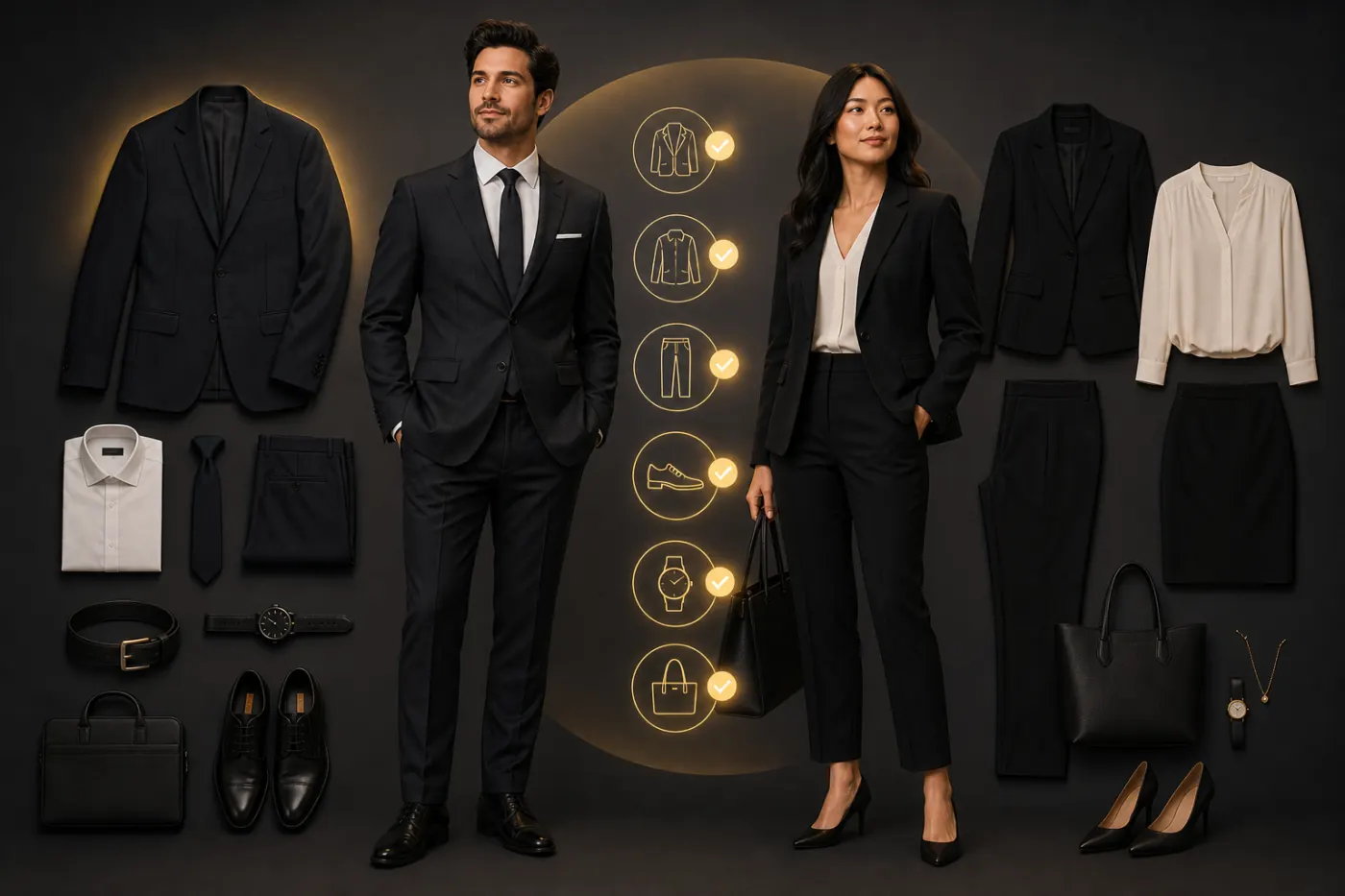 Use this quick checklist the night before your interview:
- Outfit is clean and wrinkle-free
- Fit is comfortable when sitting and standing
- Shoes are polished and walkable
- Hair and grooming are neat
- Accessories are minimal
- Clothes match the company’s level of formality
- Backup item is ready in case of weather or spills
- Virtual background and camera angle are tested if the interview is online
A 10-minute outfit check can save you from last-minute stress on interview day.
Sample interview outfits by situation
| Situation | Good outfit example |
|---|---|
| Finance interview | Navy suit, white shirt, leather shoes |
| Office admin role | Blazer, blouse or button-down, tailored trousers, flats |
| Startup interview | Dark trousers, structured knit top, clean shoes |
| Creative role | Smart monochrome outfit with one subtle style detail |
| Virtual interview | Solid top, simple layer, minimal jewelry, camera-friendly color |
| On-site interview | Business casual outfit that stays comfortable for movement |
These examples are not about dressing the same way everyone else does. They are about showing that you understand the environment.
Final answer: what should you wear?
If you want the safest answer to what to wear to a job interview, wear clean, well-fitting business casual or slightly more formal clothing that matches the role and company. Keep the outfit simple, polished, and comfortable enough that you can focus on the interview itself.
The best job interview outfit is not flashy. It is appropriate, intentional, and easy to wear with confidence.
Next step
If you want more help preparing, review our interview guides for common interview questions and practice strategies, and check our downloads for printable prep materials you can use before interview day.
Related Articles

Career
8 Another Phrase for People Skills for Interviews
Find another phrase for people skills with eight resume-ready alternatives, interview examples, and practical guidance for choosing the right wording.
September 13, 2026 · 20 min read
Career
8 Sample Career Statement Examples
Explore 8 sample career statement examples for different experience levels and industries, with templates, tone guidance, and customization tips.
September 10, 2026 · 20 min read

Career
Synonym for Conflict Resolution: Smart Alternatives
Find the best synonym for conflict resolution for resumes, interviews, and professional writing. Clear alternatives ranked by tone, context, and credibility.
September 2, 2026 · 13 min read