












Career
How Long After Applying for a Job Should You Follow Up?
Learn when to follow up after a job application, how timing changes by hiring stage and company size, and what to say in a brief follow-up email.
Interview Pilot Editorial Team
8 min read

The short answer: follow up about 1 to 2 weeks after applying unless the job posting gives a different timeline. If the application says not to contact the hiring team, follow that instruction. If you applied through a recruiter, a referral, or after a networking conversation, you can often follow up sooner.
The best timing depends on the hiring stage, company size, and how you applied. A good follow-up is brief, polite, and specific. It should remind the employer who you are, restate your interest, and make it easy for them to reply.
Quick answer: when to follow up after applying
Use this simple rule of thumb:
- Same day to 3 days: Only if you have a direct contact, referral, or recruiter relationship.
- 7 to 10 days: A solid default for most online applications.
- 10 to 14 days: Better for larger companies, roles with many applicants, or slower hiring teams.
- After the deadline passes: If the posting had a closing date, wait until a few business days after that date.
- After an interview: Follow up separately from the application process, usually within 24 hours for a thank-you note and later if they give you a timeline.
If you want the safest general answer to “how long after applying for a job should you follow up,” use one business week to two business weeks.
Why timing matters
Following up too early can make you look impatient. Following up too late can mean your application has already moved into the “review later” pile or been replaced by candidates who stayed top of mind.
A good follow-up timing strategy does three things:
- It shows interest without pressure.
- It respects the hiring process.
- It gives the employer enough time to actually review your materials.
Most hiring teams do not review every application the same day it arrives. They may screen in batches, wait for the job posting to close, or compare applicants after multiple interviews. That is why the right time to follow up is usually measured in days, not hours.
Follow-up timing by hiring stage
The stage of the process matters more than most candidates realize. Here is a practical guide.
| Hiring stage | Best time to follow up | What to say |
|---|---|---|
| Initial online application | 7–14 days | Ask if they need anything else and restate interest |
| After recruiter outreach | 2–5 business days if you have not heard back | Mention your conversation and ask about next steps |
| After recruiter screening | 5–7 business days | Ask whether they need any additional information |
| After interview | Thank you within 24 hours; follow timeline after that | Send appreciation first, then a status check later |
| After final interview | Follow the timeline they gave you; if none, 7–10 days is reasonable | Ask if there is an update on the decision process |
If you already have direct contact with the recruiter, you can be more proactive than if you only submitted through an applicant tracking system.
Follow-up timing by company size
Company size often changes how fast you should expect a response.
Small companies and startups
Smaller teams may move quickly, but they may also be juggling many tasks without a formal process. If you applied to a startup or small business, a follow-up after 5 to 7 business days can be appropriate, especially if you spoke with someone directly.
Mid-size companies
These companies often have a more structured process but are still quicker than large enterprises. A follow-up after 7 to 10 business days is a good default.
Large companies
Larger employers usually have more applicants, more approvals, and more coordination between recruiters and hiring managers. Waiting 10 to 14 business days is often more realistic.
If the application portal shows status updates, use that as a signal. If the status has not changed, a concise follow-up can still help, but do not expect an instant reply.
Follow-up timing by application method
How you applied changes how you should think about follow-up after job application.
1. Online application through a career portal
This is the most common case and the one where silence is most normal. The system may send an automatic confirmation, but that does not mean a recruiter has seen your resume.
Best timing: 7 to 14 days.
2. Referred by an employee
If someone inside the company referred you, your follow-up can be a little more direct. Your contact may also be able to nudge the recruiter internally.
Best timing: 3 to 7 business days after applying, unless your referral gives you a different timeline.
3. Recruiter reached out first
If a recruiter contacted you, they already have interest. That makes a faster follow-up acceptable.
Best timing: 2 to 5 business days if they promised to circle back and have not done so.
4. Networking conversation before applying
If you met the hiring manager or team member before applying, follow up based on that relationship. You are not “checking in cold”; you are continuing a conversation.
Best timing: 3 to 7 business days.
5. Walk-in, event, or direct email application
If you have an actual person’s email address, your follow-up can be more personal and usually more effective.
Best timing: 3 to 7 business days.
What to include in a follow-up email
Keep the message short. The goal is not to re-pitch your entire application. The goal is to remind the employer who you are and make it easy for them to respond.
Your follow-up should include:
- Your name
- The role you applied for
- The date or approximate timing of your application
- A brief note of continued interest
- A simple question about next steps or timeline
Do not include:
- A long explanation of why you deserve the job
- Multiple attachments unless requested
- Emotional language like “I really need this job”
- Pressure, guilt, or repeated pings every day
Simple follow-up email template
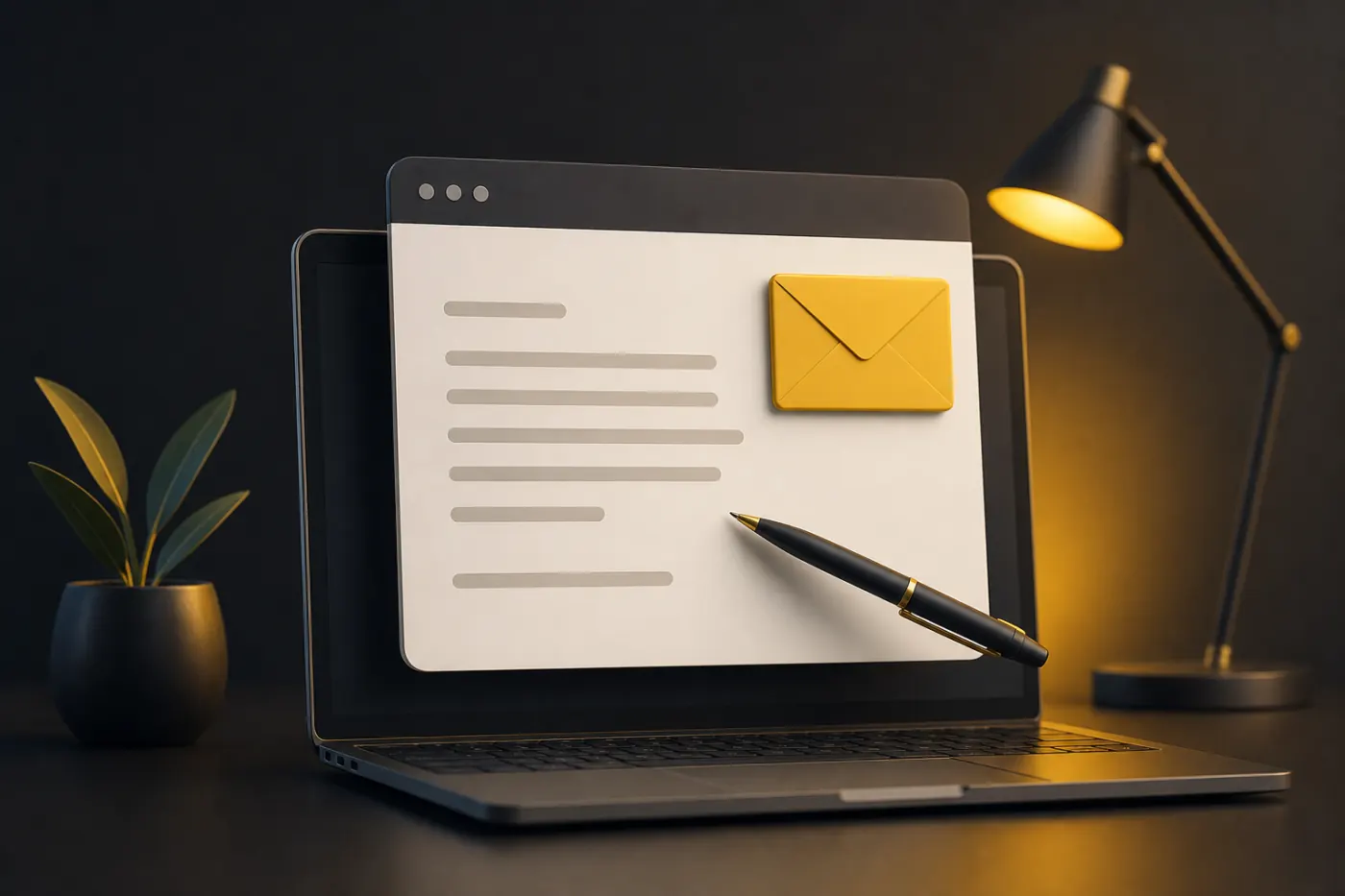 Here is a clean script you can use.
Subject: Follow-up on [Job Title] application

Hi [Name],

I hope you’re doing well. I applied for the [Job Title] role on [date] and wanted to follow up to see whether there is any update on the hiring timeline.

I’m very interested in the opportunity and believe my experience in [relevant skill or area] would allow me to contribute quickly.

Please let me know if there is anything else I can provide.

Thank you for your time,
[Your Name]
[Phone number]
[LinkedIn URL, optional]
This works because it is polite, brief, and easy to scan. It does not assume you are owed a response, but it does clearly signal interest.
Examples of stronger and weaker follow-ups
| Weak approach | Better approach |
|---|---|
| “Just checking in again. Any update?” | “I applied on [date] for [role] and wanted to check whether the team has an estimated timeline.” |
| “I haven’t heard back, so I wanted to make sure you got my application.” | “I’m reaching out to confirm whether my application is still under consideration and to ask if you need anything further.” |
| Long paragraph about your qualifications | One or two sentences tying your background to the role |
| Daily follow-ups | One follow-up, then wait for the timeline they gave you |
The best follow-up emails are calm and efficient. If the employer is interested, they will appreciate the clarity. If they are not, a good message still leaves a professional impression.
When not to follow up
There are a few situations where following up is not a good idea.
- The posting says “no calls or emails” or gives explicit no-contact instructions.
- The application deadline has not passed yet and the company said they will review after it closes.
- You already followed up once and they gave you a timeline.
- The role is clearly auto-screened and the company discourages direct outreach.
- You are about to send a message just because you feel anxious, not because you have a real reason.
If the instructions are clear, follow them. Ignoring them can hurt your candidacy more than a polite follow-up would help.
How many times should you follow up?
In most cases, one follow-up is enough after the initial application.
If the company gives you a timeline and that timeline passes, one more follow-up is reasonable. After that, move on unless a recruiter keeps the conversation active.
A practical pattern looks like this:
- Submit application.
- Wait 7 to 14 days, depending on context.
- Send one concise follow-up.
- If they respond with a timeline, wait for that date.
- If no response after one or two attempts, continue applying elsewhere.
The point is not to “win” a reply through persistence. The point is to stay professional while you keep your job search moving.
What to do while you wait
Waiting can feel passive, but this is a good time to improve your odds elsewhere.
- Tailor your resume for similar roles.
- Prepare for likely interview questions using the question bank.
- Review role-specific interview strategies in the interview guides.
- Build a simple job-search tracker and keep notes on dates, contacts, and follow-up status.
- Use downloadable resume and application tools from the downloads page if you want a cleaner process.
A follow-up is only one part of the search. The strongest candidates keep moving while one application is still in progress.
Bottom line
If you are asking how long after applying for a job should you follow up, the safest answer is about one to two weeks for most online applications. Follow up sooner if you have a direct contact or referral, and later if the company is large or the posting says to wait.
Keep it short, polite, and specific. One good follow-up is enough in most cases.
Next step
If you are actively applying, pair your follow-up plan with stronger interview prep and application materials:
- Review the interview guides
- Download job search resources from downloads
- Practice likely questions in the question bank
Topics
career
how-to-guide
job application follow up timing
follow up after job application
when to follow up after applying
Continue reading

Career
How to Write a Resume Summary for an Internship With No Experience
Learn how to write a resume summary for an internship with no experience, plus templates and examples for students, high schoolers, and career switchers.
August 25, 2026
9 min read
Career
How to Write a Resume for a Remote Job
Learn how to write a resume for a remote job with examples, a template, and tips for highlighting communication, self-management, and remote tools.
July 29, 2026
8 min read

Career
How to Write a Resume Summary for Entry-Level Job Seekers
Learn how to write a resume summary for entry level job seekers with formulas, examples, and a template for students, graduates, and career changers.
July 20, 2026
8 min read