




Career
How to Follow Up After a Job Interview: Email Template and Examples
Learn how to follow up after a job interview with timing tips, subject lines, and email templates for thank-you notes and polite check-ins.
Interview Pilot Editorial Team
9 min read
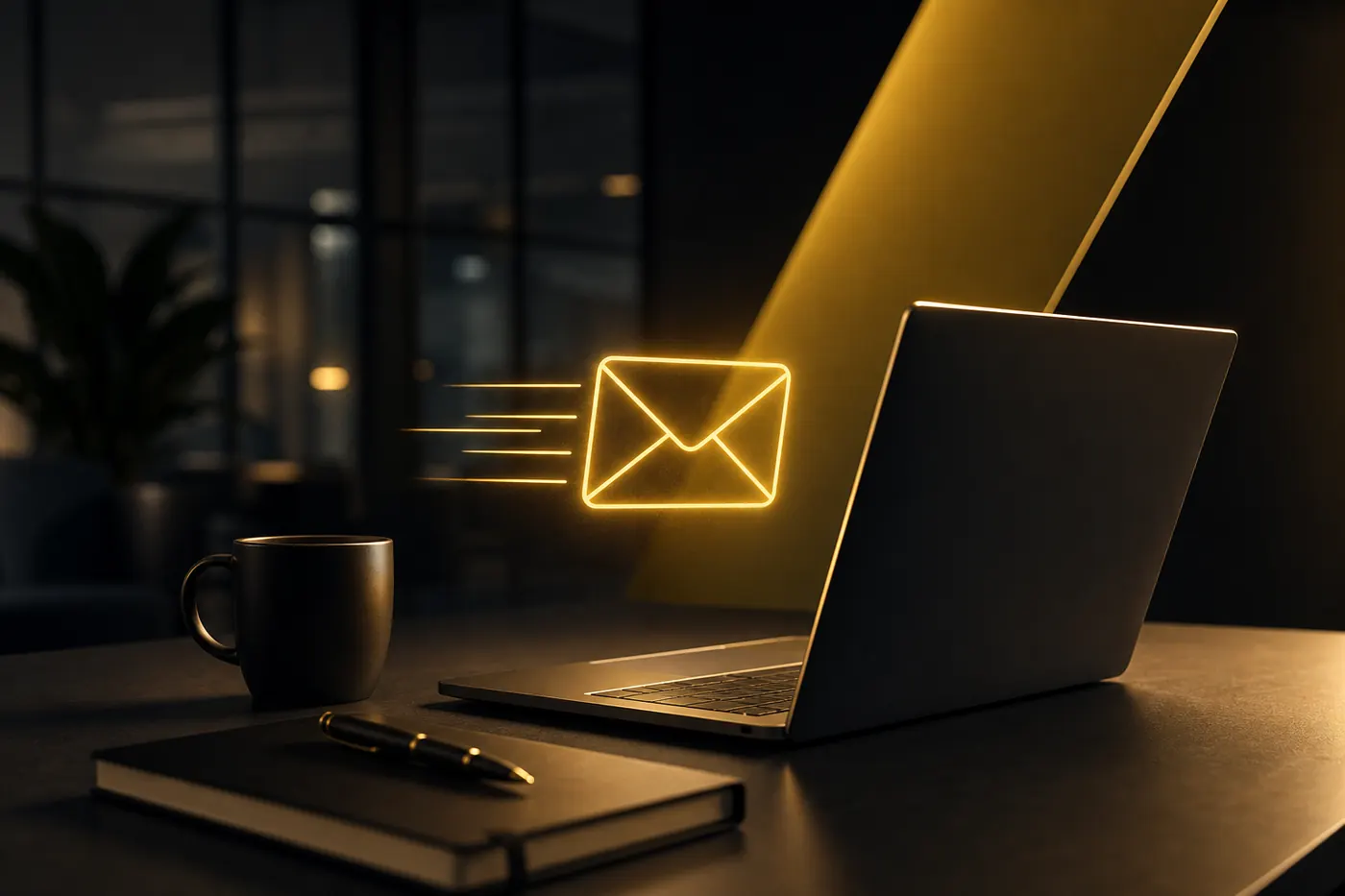
If you only remember one thing, remember this: send a short thank-you email within 24 hours, then follow up again only if the timeline has passed or the employer asked you to wait. A good follow-up is polite, specific, and easy to reply to. It should remind the interviewer who you are, reinforce your interest, and make the next step simple.
This guide shows you exactly how to follow up after a job interview, with subject lines, timing rules, and copy-ready templates for different situations.
Quick answer: what to send and when
Here’s the simplest version:
- Send a thank-you email the same day or next business day.
- If you interviewed with multiple people, send each person a personalized note.
- If the recruiter gave you a timeline, wait until it passes before checking in.
- If you did not get a timeline, a polite follow-up after about one week is reasonable.
- If you still hear nothing, send one more brief check-in a week or two later.
Keep the message short. You are not trying to convince them in one email. You are trying to stay professional, memorable, and easy to work with.
What is the goal of an interview follow-up email?
A follow-up email after interview serves three purposes:
- It shows professionalism and courtesy.
- It reminds the interviewer of your strongest fit points.
- It creates a clean path for the next step.
Many candidates think the email is a second pitch. It is not. It is a concise business message. The best emails do not repeat your entire interview. They reinforce one or two relevant points and confirm interest.
If you want a stronger interview process overall, this is one of the simplest habits to keep alongside preparation, note-taking, and mock practice. You can also review broader interview strategy in our interview guides.
When to follow up after a job interview
Timing matters because an email sent too early can feel pushy, while one sent too late may not have much effect.
Use this timing guide:
| Situation | Best timing | Purpose |
|---|---|---|
| Same-day thank-you after interview | Within 24 hours | Show appreciation and reinforce interest |
| Panel or multiple-interviewer follow-up | Within 24 hours | Personalize each note and reference each person’s discussion |
| Recruiter gave a decision timeline | The day after that timeline passes | Ask for an update without sounding impatient |
| No timeline was provided | About 5–7 business days later | Check on status politely |
| No response after first follow-up | Another 7–10 business days later | One final, brief check-in |
If the employer told you they were still interviewing candidates, you should respect that window. If they said “we’ll have an update by Friday,” wait until the following Monday or Tuesday before checking in.
How to write a thank you email after interview
A strong thank-you note has five parts:
- A clear subject line.
- A simple thank-you.
- One specific detail from the conversation.
- A brief reminder of your fit.
- A polite close that invites next steps.
Subject line examples
Here are subject lines that work well:
- Thank you for your time yesterday
- Great speaking with you today
- Thank you for the interview
- Appreciated our conversation about the [role name]
- Follow-up from my interview for the [role name]
Choose the one that sounds most natural and matches the tone of the conversation. Avoid clicky or overly casual subject lines.
Thank-you email template after interview
Use this basic template for a first follow-up:
Subject: Thank you for your time today

Hi [Interviewer Name],

Thank you for taking the time to speak with me today about the [Role Name] position. I enjoyed learning more about [team/project/company goal], and our conversation made me even more interested in the opportunity.

I especially appreciated discussing [specific topic]. It reinforced how my experience in [relevant skill or achievement] could help your team with [need or goal].

Please let me know if I can share anything else as you continue the process. I appreciate your time and consideration.

Best,
[Your Name]
[Phone Number]
[LinkedIn URL if appropriate]
Why this template works
It works because it is specific without being long. It references something real from the conversation, which helps the interviewer remember you. It also avoids sounding desperate or overly formal.
How to follow up after a panel interview
A panel interview needs a little more care because multiple people may have different concerns or impressions.
You have two good options:
- Send individual notes to each person if you have their email addresses.
- Send one message to the recruiter or hiring manager asking them to pass along your thanks.
If you can send individual notes, personalize each one. Mention the part of the discussion that mattered to that person.
Panel follow-up template
Subject: Thank you for the conversation

Hi [Name],

Thank you again for meeting with me as part of the interview process for the [Role Name] position. I appreciated hearing your perspective on [specific topic], and it was helpful to learn more about how the team approaches [project, workflow, or goal].

The conversation made me even more excited about the opportunity to contribute with my background in [skill or experience].

Please let me know if I can provide anything else. Thank you again for your time.

Best,
[Your Name]
If you met several people in one session and need to keep it efficient, personalize the first sentence and the specific topic line for each person. That small effort is usually worth it.
What to say when there is no response
This is the part most candidates worry about: how to follow up after a job interview when the company goes quiet.
The key is to stay calm and keep the message short. Do not write a long explanation, apologize for checking in, or ask whether they forgot you. A simple status check is enough.
Follow-up email template when there is no response
Subject: Follow-up on [Role Name] interview

Hi [Interviewer Name],

I hope you’re doing well. I wanted to follow up on my interview for the [Role Name] position and ask whether there are any updates on the hiring timeline.

I’m still very interested in the opportunity and would be glad to provide any additional information that would be helpful.

Thank you again for your time.

Best,
[Your Name]
If you want to sound warmer
You can add a small line such as:
- I enjoyed learning more about the team.
- I appreciated the chance to discuss the role.
- I remain excited about the possibility of contributing.
Keep it professional, not emotional.
Subject line examples for every situation
Good subject lines are direct and easy to scan. Here are examples by scenario:
| Situation | Subject line example |
|---|---|
| Same-day thank-you | Thank you for your time today |
| After a phone screen | Great speaking with you about the [Role Name] role |
| After a panel interview | Thank you to the team for today’s conversation |
| Checking in after a timeline passes | Follow-up on the [Role Name] interview |
| Second follow-up | Reaching out regarding the [Role Name] position |
Avoid vague subject lines like “Checking in” or “Following up.” They are not wrong, but they waste the chance to be specific.
What not to do in a follow-up email
A good follow-up can help you look polished. A bad one can make you look careless or impatient.
Avoid these mistakes:
- Sending the message before the interview is over.
- Writing a long email that repeats your entire résumé.
- Asking about salary or vacation too early.
- Sending daily reminders.
- Using guilt, pressure, or passive-aggressive language.
- Copy-pasting the same message to every interviewer without personalizing it.
Here is an example of what not to send:
Just checking again because I haven’t heard back and I really need to know what’s going on.
That sounds frustrated and puts pressure on the other side. A better message is short, neutral, and easy to answer.
How many times should you follow up?
Usually, two follow-ups are enough after the interview itself:
- A thank-you note within 24 hours.
- One status check after the expected timeline.
- One final follow-up if needed.
After that, let it go unless the recruiter reopens the conversation.
If you continue applying elsewhere, treat the silence as information, not failure. Keep moving. You can still be polite and persistent without letting one process stall your search.
Examples you can copy and customize
Here are three complete examples for common situations.
Example 1: Same-day thank-you email
Subject: Thank you for your time today

Hi Jordan,

Thank you for speaking with me today about the Marketing Coordinator role. I enjoyed learning more about the team’s upcoming launch plans and how this position supports campaign execution.

Our conversation about content coordination and cross-functional communication was especially helpful. My experience managing deadlines across multiple stakeholders would translate well in this role.

I appreciate your time and consideration, and I look forward to next steps.

Best,
Ariana
Example 2: Panel interview follow-up
Subject: Thank you for the conversation

Hi Priya,

Thank you again for including me in the panel interview for the Product Analyst position. I appreciated the chance to hear how the team thinks about reporting, prioritization, and stakeholder needs.

I left the conversation even more excited about the opportunity to contribute with my background in data analysis and process improvement.

Please let me know if I can provide anything else as you move forward.

Best,
Marcus
Example 3: Polite check-in after no response
Subject: Follow-up on Product Analyst interview

Hi Priya,

I hope you’re doing well. I wanted to follow up on my interview for the Product Analyst position and check whether there are any updates on the hiring timeline.

I remain very interested in the role and would be glad to provide any additional information if helpful.

Thank you again for your time.

Best,
Marcus
A simple follow-up plan you can use today
If you want the easiest possible system, use this:
- Save the names and email addresses of everyone you met.
- Send a thank-you note the same day or next morning.
- Mention one specific topic from the interview.
- Set a calendar reminder for the hiring timeline.
- Send one check-in after the timeline passes.
- Send one last brief follow-up if needed.
This keeps you professional without becoming annoying.
Final tips for following up after interview
If you are still deciding what matters most, remember this: the best follow-up emails are short, timely, and specific. They do not try to force a decision. They simply make it easy for the employer to remember you and respond.
If you want help preparing stronger interview answers before your next conversation, explore our interview guides. If you need practice materials and reusable tools, see our downloads. And if you want guided support during interview prep, you can use Interview Copilot.
Topics
career
how-to-guide
interview follow up email template
thank you email after interview
following up after interview
Continue reading
Career
How to Write a Resume Summary for an Internship With No Experience
Learn how to write a resume summary for an internship with no experience, plus templates and examples for students, high schoolers, and career switchers.
August 25, 2026
9 min read
Career
How to Write a Resume for a Remote Job
Learn how to write a resume for a remote job with examples, a template, and tips for highlighting communication, self-management, and remote tools.
July 29, 2026
8 min read

Career
How to Write a Resume Summary for Entry-Level Job Seekers
Learn how to write a resume summary for entry level job seekers with formulas, examples, and a template for students, graduates, and career changers.
July 20, 2026
8 min read